
Enhancing Safety And System Integration In Critical Facilities Using Electric Actuated Gate Valve Technology
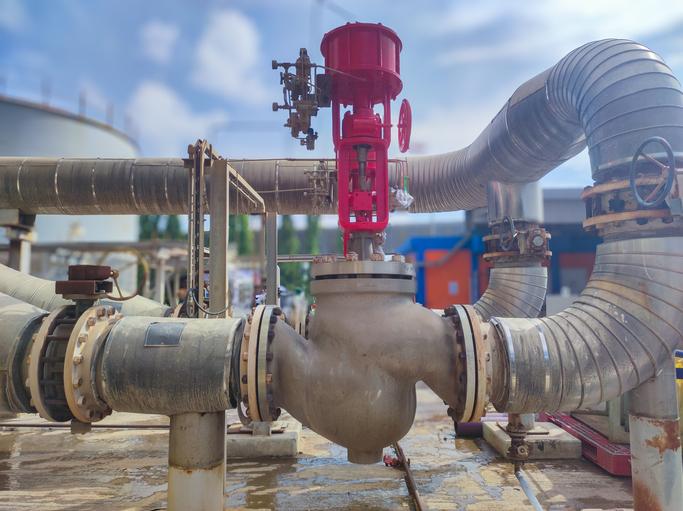
Reliability, precision, as well as safety are non-negotiable traits for heavy-duty industrial settings like power plants, water treatment plants, chemical processing units, and oil refineries. These industries are integrating smarter systems with electric actuated gate valve technology and with assisting IoT devices. This technology is a revolutionary piece of modern infrastructure as it promises both automation as well as safety. It facilitates efficient flow control while measurably improving safety in critical environments.
For engineers, B2B procurement specialists, project managers and other professionals, this article explains how actuator gate valve systems are changing process control and safety measures in critical facilities.
The History of Actuator Gate Valve System
In the past, actuated gate valves were used for isolating flow within pipes, they delivered reasonable shut-off, and were flexible with water and oil alongside chemicals. With the introduction of electric actuation, the functionality of gate valves has significantly enhanced.
An actuator gate valve combines a motorized actuator and a standard gate valve, which allows for remote control, automation, and execution under varying system conditions. Many facilities are moving away from manual and pneumatic systems towards electric actuated gate valve and similar technologies because of their enhanced integration with SCADA systems, energy efficiency, programmable features, and more.
Advantages of Electric Actuated Gate Valves in Safety-Critical Applications
The primary benefit of using electric actuators for gate valves is the ability to achieve fail-safe operation in sensitive environments. Let’s audit the benefits:
Improved Operational Safety
Critical infrastructure facilities often deal with hazardous media, extreme pressures, or high temperatures. In these merging and volatile settings, manual intervention is dangerously ineffective. Electric actuated gate valves provide greater safety by enabling operators to manage harmful flows remotely.
These valves can also feature emergency shut-off mechanisms that automatically contour the valve at power failure or emergency scenarios, ensuring containment and sidestepping catastrophic failures.
Integration of All Parts as a Single, Unified System
Machinery in Modern Process Automation needs to communicate without difficulty. Supporting industrial communication protocols like Modbus, HART or Profibus enable electric actuators to interface with central control systems.
Operators are able to monitor valve position, operational status and fault conditions which improves diagnostics while reducing manual checks.
For designers of complex systems, ensuring compatibility with the facility’s wireless infrastructure by selecting an actuator gate valve is important for future-proofing the automated system.
Primary Importance for Control of Multifaceted Processes
Separating control and isolation functions can be done seamlessly by electric actuators owing to easily configurable travel speed and precise modulation. This helps maintain set operational variables like temperature, pressure or the chemical concentration working within adjustable ranges.
Process accuracy and efficiency for tasks such as chemical dosing and steam distribution are greatly enhanced with an electric actuated gate valve. As a result, their needs for robust incremented control are met.
Most Important Issues When Choosing an Electric Actuated Gate Valve
The previously mentioned advantages might seem very clear however not all electric actuated valves are made equally. Reviewing system specifications and understanding application requirements are key factors for selecting the right one.
Material Compatibility
Like any other valve, gate valves have to be rated for pressure and temperature of the media controlled. Make sure to pick a valve of the right ANSI class, or PN rating to make sure that there will be no trouble in durability and compliance with systems. Coordination works the other way too, with larger valves often requiring more powerful actuators. So, balance between valve size and actuator torque is important.
Actuator Type and Torque Requirements
Electric actuators have a variety of torque ratings, speed, and even duty cycles. Double check that the actuators can handle the maximum required torque which may be needed to reliably open and close the valve, especially under pressure or adverse settings.
Moreover, some other applications can require outdoor or weatherproof actuator housings, especially in exposed or dangerous zones.
Fail-Safe Functionality
When dealing with life critical facilities, actuators have to be with fail safe options like battery backup or spring return. These systems automatically close the valve when power is cut, which becomes essential in systems where pipelines carrying flammable or toxic fluids are present.
Integration with SCADA or DCS Systems
Make sure that the facility’s automation system relays the necessary protocols and voltage levels for the actuator. Problems at this level may complic integration and lengthen the deployment phase.
Use Cases of Electric Actuated Gate Valves in Critical Facilities
In order to grasp in what ways these valves are versatile, let us review how they are being used across industries.
Power Plants
Steam flow control is paramount within power generation facilities. An electric actuated gate valve offers needed versatility, as it can withstand high temperatures while isolating or controlling turbine cooling, superheated steam, and boiler feedwater control systems.
They are further incorporated into Distributed Control Systems (DCS) improving power generation facility safety and efficiency by enabling real-time responsiveness to load demand.
Water and Wastewater Treatment
Reliability is the backbone of water infrastructure. Gate valves for potable water, raw intake, and treated effluent pipelines, are in widespread application. Electric operation facilitates remote management that is essential in large unmanned facilities.
In automated stormwater control systems, actuator gate valves are often set up to respond automatically to real time flow rates for flood or backflow prevention.
Oil and Gas Facilities
The handling of dangerous volatile hydrocarbons requires strict flow control options that are explosion proof. Electric actuated gate valves are common in tank farms, offshore platforms, and loading terminals, as remote monitoring and emergency shut off capabilities are needed for hazard containment.
Their integration with fire and gas detection systems facilitates automatic mitigation in event of leaks or ignition hazards.
Chemical Processing Plants
Aggressive chemicals require rapid containment and precise dosing, which can only be achieved with highly durable, corrosion resistant valves with advanced automation and reliable trade-marks. Electric actuated valves significantly reduce manual intervention and, therefore, improve repeatability during batch processes.
They also form a closed-loop system with sensors and PLCs, which reduces human error while ensuring compliance with safety regulations.
Partnering with the Right Supplier
Due to the critically sophisticated nature of these valves, especially from an industry and engineering viewpoint, assigning an experienced supplier should be prioritized. Look for providers with:
- Engineering guidance during actuator and valve integration
- Certified global standard compliance (ISO, API, IEC, etc.)
- Non-standard elements custom configuration
- After-sale service, spare parts, training, and more
Dependable actuator gate valve suppliers are expected to deliver complete documentation such as CAD drawings, wiring diagrams, and test reports that validate frictionless integration to the infrastructure of the facility.
Conclusion
With the advancement of automation in industries, electric actuated gate valve systems are now at the forefront of robotics and modern technologies. The value these systems add to critical environments is astounding, considering the level of precision, control, safety, and remote accessibility they provide.
Actuator gate valves ensure that power plants, chemical refineries, energy grids, water treatment plants, and other facilities are compliant with operational and regulatory policies while also enabling the optimization of processes and systems.
The reason is simple for optics for smart transportation infrastructure—installing certain electric actuator gate valves necessitates working with forward-looking suppliers knowledgeable about specific technical and safety standards relevant to the business.