
Cycling the Alps: Epic Routes for Beginners and Experts
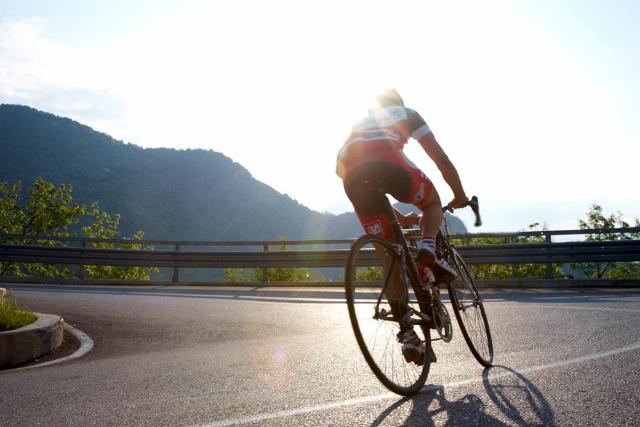
Image Source: depositphotos.com
The Alps are famous to those who cycle a medley of twisty mountain roads, picturesque valleys, and majestic views provides the most memorable cycling opportunities globally. From a seasoned bike rider looking to tackle the most daunting climbs to a casual biker hoping to experience the scenery at a slower pace, cycling through the Alps is an independent and liberating yet challenging experience. Not to mention, paths and roads in this region are well-paved, and there's a culture of cycling suggesting that whatever direction one takes, something impressive awaits around the corner.
Why Cycling the Alps is So Enchanting
Cycling the Alps is not just a way to exercise, but instead, an entire experience filled with fresh, crisp mountain air, the rhythmic sound of bike tires on pavement, and mesmerizing glimpses at glaciers and valleys, among other views that make one feel so small yet empowered at the same time. Transfers from Turin Airport to Cervinia make it convenient for cycling enthusiasts to reach some of the most scenic Alpine routes, turning the journey itself into part of the adventure. With everything from Tour de France world-renowned cycling climbs in France to beautiful Austrian cycling circles around lakes, it's easy for any rider to find something for them.
The most impressive part about cycling the Alps is that they're so interconnected and accessible. Cable cars, train opportunities and cyclist towns make it easy to get to the beginning of rides and back again after strenuous journeys. Between local cafés, mountain lodges and paved or bike-ready roads, it's no wonder the area has become a mecca for cyclists of all levels from across the globe.
Col du Galibier (France)
Few climbs are more revered than Col du Galibier. At 2,642 meters (8,668 ft), it's one of the tallest paved passes in all of France. It's a well-known daily Tour de France stop and despite its distance from most mountain towns, there are fewer destinations more rewarding for cyclists. Riders start in Maurienne Valley and make their way up for over 18 kilometers with a 7% average gradient. Riders will literally feel as if they are disappearing into a hole in the universe as they climb constantly toward snowy mountain peaks.
The summit represents a sense of achievement like none other, unlike any other peak one can achieve after such an uphill trek. Decreasing into Lautaret Valley, however, is cycling heaven with smooth turns, crisp air and wide-open views. This is a great ride for experts or the inexperienced cyclist who wants to test their endurance and willpower to climb like never before.
Grossglockner High Alpine Road (Austria)
Austria's Grossglockner High Alpine Road is one of the most incredible places to cycle in Europe where you can drive up Hohe Tauern National Park and see Austria's highest peak in the process. At 2,504 meters (8,346 ft) gross elevation gain over 48 kilometers (29 miles) it may seem like a tall order, but the switchbacks are well-performed and breathtaking among stunning panoramas and possible wildlife sightings.
Though this may be an expert's destination due to elevation gain, the gradients are manageable enough with preparation that intermediate cyclists can tackle this accomplishment as well. Along the way are lookouts, museums and mountain huts to stop at, breathe and take in the view. With amazing landscapes, good pavement and Austrian hospitality, this is a great destination for those who want the best of everything on their ride.
Col de la Madeleine (France)
The Col de la Madeleine is a typical Tour de France challenge. It takes off from the Tarentaise Valley and rises to 2,000 meters over a series of 25 kilometers. There are wooded sections and clearings into alpine pastures, separating moments of calming and motivating progression.
However, this mountain is a favorite among experienced bikers for its long, gradual gradients; beginners will be happy, however, with shorter sections and the option to start on one of the higher towns (or from the other side of the mountain) to access truly unique landscapes and less steep areas. This descent is quick and accomplished with charming little hamlets en route for a quick café or a slice of tartiflette that's just as rewarding as the ride itself.
The Stelvio Pass (Italy)
Every bikers' bucket list, the Stelvio Pass is famed on a national and international scale to those who've ever peddled up a mountain. While it boasts one of the highest points in elevation at 2,757 meters with 48 hairpin turns, the route from Prato allo Stelvio climbs nearly 25 kilometers with each bend showcasing either rugged rock or a green valley very far below.
Steep gradients here challenge even the strongest cyclists though e-bikes make access more available to many but since this road has been paved since it's been in so many races, it feels as if you're cycling through history and your own fantasies as you reach the top surrounded by snow and sky, entitling no one but yourself to credit for overcoming mountain and mind.
The Furka Pass and Grimsel Pass Loop (Switzerland)
Switzerland's Furka-Grimsel loop is one of the most unforgettable two-in-one challenges for any cyclist looking for an unforgettable loop passing two famous passes. Starting in Andermatt, first go straight up to the Grimsel Pass before circling around and coming up and over the Furka before descending back to Andermatt. More than 2,000 meters each way are climbed and descended.
Despite its approachable terrain, it's better suited for fit riders who are intermediate because it's long and requires ample breaks. However, potholes are scarce, providing proper rest stations even with tunnels along the way. A loop boasts glacial lakes beneath massive, towering peaks with small little villages dotting the way for perfect rest opportunities. It's everything you could imagine Switzerland is about precision, beauty, everything is on time, about time, and stunning all at once.
The Lake Annecy Circuit (France)
If you prefer a less strenuous ride but want as many postcard views as possible, the Lake Annecy circuit in France embodies pure joy without the brutal ascents. The 42 kilometer loop circles the turquoise lake, featuring flat and mildly rolling terrain leading through quaint towns like Talloires and Duingt.
Separated bike paths keep the roads safe for beginners and families, but advanced cyclists can take detours into the foothills to gain some additional elevation for a more strenuous approach. Between the glistening water, the backdrop of the Alps, and the buzzing cafés just off the main route, Lake Annecy is the best way to familiarize yourself with riding in the Alps.
The Ötztal Valley Ride (Austria)
For an easier path that still champions the beauty and accessible nature of the region, the Ötztal Valley in Tyrol features many paths that ultimately come together. The longest one stretches 60 kilometers from Haiming to Sölden with a slight incline against the gradient of rivers, green pastures, and stunning little towns.
This is a great novice or tourist route for anyone who wants to spend a relaxing day on a bike. However, advanced riders can take on the alternative Ötztaler Cycle Marathon route that incorporates high-alpine passes and climbs that include over 5,000 meters elevation gain which is one of the toughest one-day routes in Europe. Whatever your speed, the Ötztal region is quintessential Austrian biking culture friendly, beautiful, and extremely fulfilling.
The Gavia Pass (Italy)
The Gavia Pass in Northern Italy rivals even the Stelvio but offers a more remote charm. Starting in Ponte di Legno, riders ascend for 17 kilometers through dark forests and pasture meadows before reaching 2,621 meters at its peak. This is a much more intimate climb, narrow and ancient, something to appreciate for nostalgia not just speed.
Little traffic means that riders can thoroughly appreciate every scent of pine they come across, along with the faint sound of cowbells, and bask in the glory that is one of cycling's sacred summits. For those looking for solace in nothingness with no pressure from other cyclists, the Gavia is the perfect dip into authentic Alpine purity.
The Sella Ronda Loop (Dolomites, Italy)
Perhaps one of the most stunning bike circuits in all of Europe, the Sella Ronda Loop connects all four mountain passes surrounding the Sella Massif from Gardena to Campolongo to Pordoi to Sella. A 60 kilometer stretch featuring 1,800 meters of ascent, it would be all too easy for this route to overwhelm a cyclist, but its comparative gradients give intermediate cyclists access to this cycle circuit.
As you ride on, you can navigate through the Sella Ronda in either a clockwise or counter-clockwise direction, absorbing the views of differing angles of Dolomite's jagged limestone faces along the way. Thankfully, should you need a rest stop to truly enjoy these views, rest points and cafes are located frequently throughout the journey. Ultimately, riding this circuit feels as if you are perpetually riding through an expansive masterpiece that changes with every perspective a verifiable dream of sunshine, stone and color.
E-Biking in the Alps The Mountains for Everyone
Perhaps one of the most recent changes to alpine cycling is the popularity of e-bikes, which have made the mountains more accessible than ever. Electric-assisted bikes mean that anyone of any age and ability can traverse high-altitude paths that once were relegated only for the fittest athletes and most skilled cyclists. For example, everywhere from the lakeside rides of Salzkammergut in Austria to the vineyard trails surrounding Switzerland's Lavaux region can be explored without concern for limited energy or boosting skills.
Many resorts now feature e-bike rental stations and areas with charging portals for dedicated paths. Instead of dreading the commute from Geneva to Morzine or the circuit around Lake Annecy, one can take it easy and enjoy the sights without the strenuous effort. E-bikes change the game for those who want to put in shorter mileage without effort but who are still seasoned cyclists or inexperienced but interested in trying their hand at mountain biking (or gravel biking). E-biking in the Alps is a one-of-a-kind experience, combining adventure and sustainability for freedom like no other.
Your Ideal Cycling Holiday in the Alps
The ideal cycling holiday in the Alps requires ample preparation and pacing. From determining whether your group will prefer road cycling, gravel paths or mountain biking, each region offers a different element in planning your ideal trip. France is best known for its iconic climbs and famous Tour de France routes. Switzerland boasts scenery and organization, while Austria blends hospitality with stunning viewscapes and carefully curated, marked trails.
Ultimately, the ideal season to enjoy cycling in the Alps is June through early September, when the weather is mostly stable with closed-off mountain passes open to cyclists as snow melts. Many riders use international flights to Geneva, Zurich or Innsbruck and then use private or shuttle transfers to get to starting locations. It's best to pack layers as weather conditions can shift rapidly, and don't forget to incorporate rest days into your plan. Day off give access to spas and wonderful local cuisine that make this cycling experience more than just about high-quality roads; it's an opportunity to explore everything that's pleasing about the region. With the right planning and attitude, your cycling holiday will be less of a trip and more of a personal journey through awe-inspiring roads that other cyclists can only dream about.
Final Thoughts Freedom on Two Wheels in the Alps
Cycle the Alps and you'll never want to leave. It offers the perfect combination of majesty and intimacy, good stretches and good hills, all good for the body, the mind, and a soulful spirit as you maneuver around Lake Annecy, up the Stelvio, and get lost in the valleys of Austria. Whether you're novice enough to learn about the mountains or expert enough to be challenged by them every step of the way, it's the perfect place to celebrate cycling on two wheels.
It's everything cycling should be and more, and once you've cycled the Alps, you know you'll do anything you can to keep going back. It's what cycling is all about.