
Cybersecurity and Physical Infrastructure
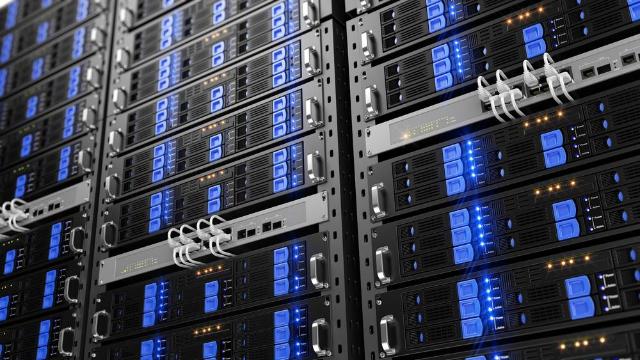
Image Source: depositphotos.com
People talk a lot about cybersecurity like it’s all about software, firewalls and antivirus programs, encryption too. Those things matter, but I think they miss the bigger picture sometimes. Security feels more like staying healthy overall, you know, where everything holds steady first. And that steadiness comes from both digital side and physical setup holding it all up.
The Overlooked Side of Cybersecurity
It’s easy to forget about the actual places where data live. Like servers and routers, all that hardware needs power that doesn’t cut out, or electrical systems that stay even. Without those basics, fancy tools just don’t work right. A quick blackout or some voltage spike, and suddenly protocols fail, risks pop up everywhere. So, cybersecurity isn’t only fighting hackers from outside, it’s keeping things solid inside too.
The Connection Between Stability and Stress
When systems run smoothly, it gives this feeling of being in control. Work goes okay, talks stay connected, data feels safe. But if there’s instability, even little glitches, that control slips away. Shutdowns out of nowhere, laggy performance, spotty internet, all that builds up uncertainty. Over time it turns into stress, not the big dramatic kind, but this nagging thing in the background. Studies on workplaces show how unpredictable tech links to more stress and less getting done, I guess that’s why it hits productivity.
Building Security from the Ground Up
Maybe starting with the basics is key here. Is the foundation strong? Things like good power sources, grounding to avoid surges, solid hardware setup, and regular checks on the physical parts. They’re not flashy, but without them digital security falls apart. Having reliable electrical supplies helps keep everything running secure and steady long term.
Building Security from the Ground Up
A lot of cybersecurity seems reactive, waiting for problems to hit then fixing them. Patching after a breach, dealing with failures once they happen. But focusing on prevention changes that. Strengthen the infrastructure early, cut down on disruptions before they start. It makes the whole environment more predictable, less chaos. Kind of like how taking care of health ahead of time beats scrambling when you’re sick.
Prevention as a Form of Awareness
Stable systems let people focus better, without constant worries about crashes. Attention goes to real work, decisions, all that. From small shops to big companies with complicated ops, this clarity helps tech do its job instead of causing headaches.
Creating Environments That Support Focus
Finding balance in awareness is tricky though. Too much info on threats overwhelms, too little leaves gaps. Aim for understanding the main points without drowning in detail. It starts with aligning physical and digital, makes security feel natural, not always demanding focus.
Looking Ahead
As tech keeps changing, physical and digital security blend more. Orgs that get this will build tougher setups. At heart, it’s about trust in the systems and the space we use. Sometimes that trust just needs a simple stable base, but I’m not totally sure how everyone overlooks it.