
Compliance Requirements That Make Cybersecurity Training Essential
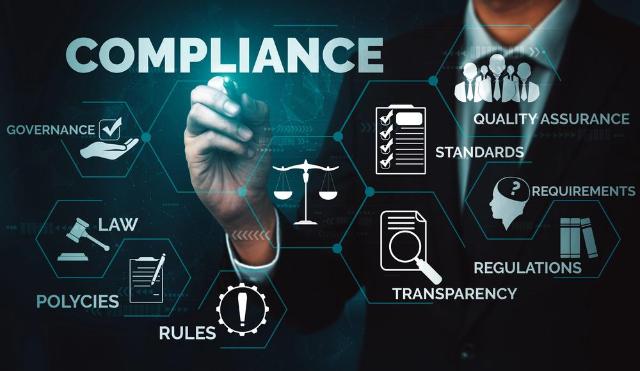
Image Source: depositphotos.com
Cybersecurity threats continue to evolve, but one constant remains: human error is still one of the leading causes of data breaches. As a result, cybersecurity training has become more than a best practice—it is increasingly a requirement driven by regulations, insurance providers, and industry standards. Organizations that fail to properly train employees not only expose themselves to cyber risk but may also fall out of compliance with critical legal and contractual obligations.
Why Compliance Now Demands Cybersecurity Training
Many modern regulations recognize that technology alone cannot stop cyberattacks. Firewalls, endpoint protection, and intrusion detection systems are essential, but employees remain the first line of defense. Cybersecurity training ensures staff understand how to identify phishing attempts, handle sensitive data, and follow security policies correctly.
Regulatory bodies now reflect this reality by explicitly requiring or strongly recommending security awareness training as part of compliance frameworks.
Key Regulations That Require or Expect Cybersecurity Training
HIPAA (Healthcare)
The Health Insurance Portability and Accountability Act (HIPAA) requires covered entities and business associates to safeguard protected health information (PHI). Administrative safeguards under HIPAA specifically include workforce training. Employees must understand how to properly access, store, and transmit sensitive healthcare data to reduce the risk of breaches.
PCI DSS (Payment Card Industry Data Security Standard)
Organizations that handle credit card information must comply with PCI DSS. Requirement 12.6 mandates a formal security awareness program, making cybersecurity training a clear compliance obligation. Staff must be educated on data protection responsibilities and common attack methods such as social engineering.
GDPR (General Data Protection Regulation)
While GDPR does not prescribe exact training methods, it requires organizations to implement appropriate technical and organizational measures to protect personal data. Cybersecurity training is widely recognized as a foundational organizational control, helping ensure employees process data lawfully and securely.
SOC 2
SOC 2 compliance focuses on trust service criteria, including security and confidentiality. Auditors frequently look for documented cybersecurity training programs to verify that employees understand policies, risks, and response procedures.
Cyber Insurance Requirements
Beyond government regulations, many cyber insurance providers now require proof of ongoing cybersecurity training. Without it, organizations may face higher premiums—or denied claims following an incident.
What Effective Cybersecurity Training Should Include
To meet compliance expectations, cybersecurity training should go beyond a one-time presentation. Effective programs typically include:
-
Phishing and social engineering awareness
-
Password and access management best practices
-
Data handling and classification guidelines
-
Incident reporting procedures
-
Ongoing updates as threats and regulations change
Training should also be documented, measurable, and repeated regularly to demonstrate due diligence during audits or investigations.
Compliance Is About Risk Reduction, Not Just Checkboxes
Cybersecurity training is not simply about satisfying auditors. It plays a critical role in reducing real-world risk. Employees who understand how cyberattacks occur are less likely to fall victim to them, helping organizations avoid financial losses, reputational damage, and regulatory penalties.
Many IT service providers, including firms like Computer Services Unlimited, emphasize cybersecurity training as part of a broader risk management and compliance strategy—recognizing that informed users are one of the most effective security controls available.
Final Thoughts
As cyber threats and regulatory scrutiny continue to increase, cybersecurity training has become essential rather than optional. Organizations that prioritize employee education are better positioned to meet compliance requirements, satisfy insurers, and protect sensitive data. In today’s regulatory environment, training is no longer just about awareness—it’s a fundamental component of responsible business operations.