
Codex API In DevSecOps: Balancing Developer Speed With Secure Code Review
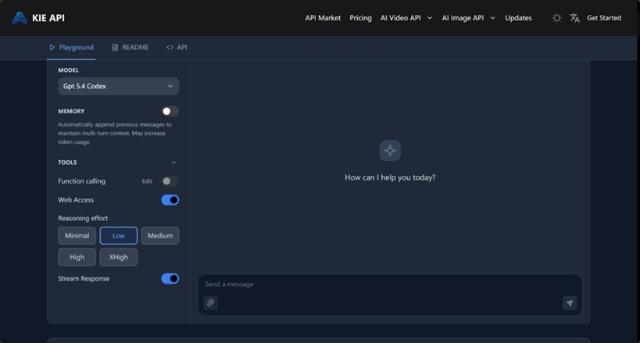
AI-assisted coding is no longer a side experiment. It is becoming part of daily engineering workflows, from drafting functions and refactoring legacy code to generating tests and accelerating routine implementation work. That shift is why the Codex API now belongs in a broader DevSecOps conversation, not just a developer productivity discussion.
For engineering leaders, the appeal is obvious. Faster code generation can reduce friction, shorten delivery cycles, and help teams move through repetitive tasks more efficiently. But security teams see the other side of the equation as well: faster code production can also increase the volume of code that needs review, validation, and governance. In that environment, adopting Codex API without adjusting review practices can create more risk than value.
Why Codex API Is Becoming Relevant In Modern DevSecOps
As Codex-powered coding assistance becomes more embedded in engineering workflows, teams are rethinking the balance between development speed and secure review. What began as lightweight coding help is now becoming part of broader implementation, refactoring, and automation workflows across the software lifecycle.
That matters in DevSecOps because speed is not neutral. When more code moves through the pipeline in less time, review teams must adapt. The goal is no longer to inspect only hand-written logic. It is to understand which parts of the codebase were accelerated by AI and where that introduces additional security pressure.
The Shift From Coding Assistance To Workflow Integration
AI coding tools are increasingly embedded into IDE workflows, pull request preparation, and internal engineering automation. This makes them more useful, but it also means they have greater influence on how code enters production. The key issue is not simply whether generated code works. It is whether that code can be trusted, reviewed, and governed at scale.
Why Security Teams Are Paying Closer Attention
Security teams are watching these tools more closely because AI-generated code can introduce familiar problems in unfamiliar ways. Weak validation logic, insecure defaults, flawed authentication patterns, and hallucinated dependencies can all appear in code that initially looks polished. That surface-level confidence can make weak implementation details harder to catch during rushed reviews.
How Codex API Changes Secure Code Review Workflows
The Codex API does not just help engineers write faster. It changes the rhythm of code review. More suggestions, faster drafts, and shorter implementation cycles can increase throughput, but they also compress the time available for thoughtful inspection. That is where security-focused process design becomes essential.
Faster Drafting Creates New Review Pressure
When developers can generate code faster, the review queue often grows faster as well. This can create a false sense of productivity if engineering velocity rises while review quality falls. In practice, security reviewers usually need better prioritization rather than simply more alerts.
Review Teams Need Better Context, Not Just More Alerts
Secure review depends on context. Reviewers need to know whether code was generated for an internal workflow, a customer-facing API, or an identity-sensitive service. They also need to understand data exposure, privilege boundaries, and dependency choices. Without that context, even strong scanning tools may miss business logic risk.
Codex API Risks That DevSecOps Teams Should Not Ignore
The risks around AI-assisted coding are not limited to syntax or correctness. They also include governance problems, traceability gaps, and uncertain code provenance. Teams evaluating a Codex API workflow should account for those operational concerns early.
Common Security Gaps In AI-Assisted Code
Common patterns include weak input validation, improper error handling, unsafe package suggestions, hardcoded assumptions, and incomplete authorization logic. These issues are not unique to AI-produced code, but they can appear more often when teams rely on generated output without enough scrutiny.
Governance Risks Beyond The Code Itself
There are also process-level concerns. Prompts may expose internal logic or sensitive context. Generated code may enter repositories without clear documentation of how it was produced. Accountability can become blurred if teams do not define review ownership. Those are governance failures, not merely coding mistakes.
Using Codex API In DevSecOps Without Slowing Engineering Teams Down
The answer is not to block adoption. It is to build controls around risk. Teams should focus on where generated code is used, what systems it touches, and how it moves through review. That allows security teams to support velocity without turning every AI-assisted change into a bottleneck.
Build Review Gates Around Risk, Not Around Every Suggestion
Not every generated snippet deserves the same level of scrutiny. Changes involving authentication, external APIs, secrets, payments, or sensitive data should receive stricter review than low-risk utility functions. Risk-tiered review is far more sustainable than treating all AI-assisted output the same way.
Pair AI Coding Speed With Automated And Human Review
Static analysis, dependency scanning, secret detection, and policy checks should work alongside human review. Automation can catch repeatable patterns quickly, but experienced reviewers are still needed for logic flaws, misuse of trust boundaries, and application-specific abuse cases.
What Teams Should Compare When Evaluating Codex API Options
As teams compare access paths tied to the Codex API ecosystem, including newer workflow options and broader tool comparisons such as Codex API vs. Claude Code API, the best decision is rarely about generation speed alone. Secure adoption depends on workflow fit, review visibility, and operational simplicity.
Performance, Visibility, And Workflow Compatibility
A practical access path should support existing CI/CD processes, code review norms, logging expectations, and security tooling. If a tool cannot be monitored or governed effectively, its productivity gains may not hold up in production environments. That is one reason many teams evaluating Codex API focus on operational usability as much as capability.
Why Operational Simplicity Matters For Secure Adoption
The more complicated the integration path, the easier it is for governance gaps to appear. Secure adoption works best when teams can test, review, and control AI-assisted workflows without building a parallel process that nobody fully owns.
Final Thoughts On Codex API In DevSecOps
The Codex API can help engineering teams move faster, but speed only becomes an advantage when it is matched with secure review discipline. In DevSecOps, the goal is not to slow developers down or to treat every AI-assisted change as inherently unsafe. It is to make sure that faster development does not outpace visibility, accountability, and control.
Teams that approach AI coding with that mindset will be in a much better position to gain productivity benefits without expanding their security exposure.