
Can Image-to-Video AI Replace Traditional Video Shoots?
Designed by Freepik
Video has become the backbone of digital communication. Brands, creators, educators, and businesses rely heavily on video to reach audiences online. But traditional video shoots require time, budget, and resources that are often difficult to sustain, especially in high volume content environments. As artificial intelligence continues to evolve, image-to-video AI is emerging as a compelling alternative. With the ability to turn a single static photo into a fully animated video, this technology is reshaping how visual content is produced.
The question many professionals are now asking is whether image-to-video AI can actually replace traditional video shoots. The answer depends on the use case, but the rapid improvement of AI powered motion generation signals a major shift in the production landscape. Understanding the strengths and limitations of this technology can help brands and creators decide how to integrate it into their workflows.
Why are traditional video shoots so costly and time consuming?
Traditional shoots require equipment, talent, planning, and post production, all of which add time, complexity, and financial burden.
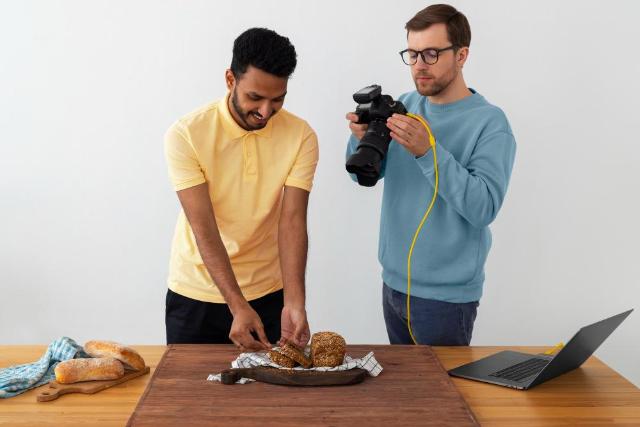
A typical video shoot involves several steps. A script must be drafted, storyboards prepared, locations secured, and talent hired. Once filming begins, crews manage lighting, sound, and camera angles. After production wraps, teams edit footage, add effects, adjust audio, and export final versions. Each stage requires specialized skills and resources.
According to a 2024 Wyzowl report, the average professionally produced marketing video costs between $2,000 and $10,000 and can take several weeks to complete. Even small scale content for social media often requires multiple days of planning and preparation. Reshoots add more cost and delay.
This workflow creates challenges for brands that need to produce content frequently. It also limits experimentation because every new idea requires a new shoot. The pressure to deliver consistent video content across platforms has fueled interest in AI tools that can produce footage faster and more affordably.
What exactly does image-to-video AI do?
Image-to-video AI analyzes a static photo and uses motion generation models to animate it into a realistic or stylized video.
The technology works by combining facial recognition, motion transfer, and animation algorithms. The AI first identifies the structure of the face or object in the photo. It then applies motion patterns from a reference video or animation model. This allows the image to move, gesture, dance, or express emotion as if it were filmed in real time.
Image-to-video AI can create:
- Talking head videos
• Reaction clips
• Dance animations
• Cinematic motions
• Meme style edits
• Character driven scenes
Because the AI handles lighting adaptation, expression mapping, and dynamic shading, the final output looks surprisingly natural. The technology has evolved rapidly thanks to large scale training data and advances in neural networks. In many cases, viewers cannot easily tell that the video originated from a still image.
These capabilities make image-to-video AI a valuable tool when filming is impractical or too expensive.
Can image-to-video AI deliver results fast enough for modern content demands?
Image-to-video AI excels in speed, making it ideal for high-volume content production where rapid turnaround is essential.
One of the biggest advantages of AI generated video is its ability to produce finished content within minutes. For social teams, creators, and brands that publish several videos per week, this speed is transformative. Social platforms reward frequent posting, and trend based content must be created quickly to remain relevant.
Data from Sprout Social shows that brands posting video consistently outperform those who publish infrequently by more than 30 percent in engagement and reach. Image-to-video AI helps teams create enough content to stay visible without sacrificing quality.
AI also eliminates many slow steps involved in traditional production. There is no need for equipment setup, lighting adjustments, or multiple takes. The creator can focus on concept and storytelling rather than logistics. This makes the entire workflow more agile and efficient.
How are brands already using image-to-video AI to replace parts of traditional production?
Brands use image-to-video AI to create ads, product showcases, UGC inspired content, and localized marketing without filming new footage.
Many marketing teams now rely on AI to scale video production. For example:
- Retailers animate product images to show movement or fabric behavior.
• Influencers generate dance or reaction videos from a single photo.
• E-commerce brands turn static product shots into dynamic social ads.
• Global companies create localized versions of videos without reshooting scenes.
These use cases save money and help brands keep up with the volume required for multi-platform campaigns. Image-to-video AI also supports experimentation. A creator can try multiple visual concepts quickly and choose the best one without committing to an expensive shoot.
In the middle of these advancements, tools like image to video ai by Viggle AI simplify the process even further. With motion transfer and expressive animation features, Viggle AI lets users turn photos into dynamic videos that feel lifelike and visually engaging. This kind of technology offers a practical alternative for brands looking to balance quality with efficiency.
What limitations prevent image-to-video AI from fully replacing traditional shoots?
AI is powerful, but it cannot yet replace all the capabilities of real filming, especially in complex or cinematic productions.
There are several scenarios where traditional video shooting remains essential:
- Live action storytelling that requires many actors, props, or large environments.
• High drama scenes involving physical interaction, emotional nuance, or intricate choreography.
• Product demonstrations that show real world use or hands-on interaction.
• Large scale productions such as commercials, TV shows, or films.
AI generated video can look realistic, but it still relies on predefined templates or motion references. While this works well for certain types of content, it lacks the creative freedom, natural variation, and spontaneity of real filming.
Another limitation is authenticity. Some audiences prefer seeing creators on camera rather than animated representations. This is especially true for personal vlogs, lifestyle content, or behind the scenes footage.
However, technology continues to evolve. As AI models improve their ability to simulate physics, lighting, facial nuance, and environmental interaction, the line between AI generated and real video will continue to blur.
Can image-to-video AI realistically replace traditional shoots in the future?
Image-to-video AI has the potential to replace many everyday video needs while coexisting with traditional shoots for more complex productions.
As AI improves, many brands will likely adopt a hybrid model in which:
- Everyday content is generated with AI.
• High stakes or cinematic content is filmed traditionally.
This hybrid approach maximizes efficiency while preserving quality where it matters most. A study from Deloitte predicts that AI tools will automate up to 30 percent of marketing production processes by 2030. This includes video editing, animation, and repurposing static imagery.
For many day to day video needs, such as social ads, promos, quick updates, and UGC style clips, image-to-video AI may become the default method. It is fast, affordable, and easy for teams of any size to use.
Traditional shoots will remain essential for moments requiring emotional depth, human performance, or complex storytelling. But the need for these shoots may decrease as AI becomes more flexible and sophisticated.
Conclusion
Image-to-video AI is rapidly transforming how brands and creators produce video content. While it may not fully replace traditional shoots in every scenario, it offers a practical and powerful alternative for everyday content creation, high-volume workflows, and social media campaigns. With tools like image to video ai by Viggle AI, users can turn photos into expressive, dynamic videos in minutes, reducing production time and expanding creative possibilities. As AI continues to improve, it will play an increasingly important role in shaping the future of video production, making content creation faster, more accessible, and more scalable than ever.