
The Benefits of Professional Pest Control and Why It's a Smart Investment
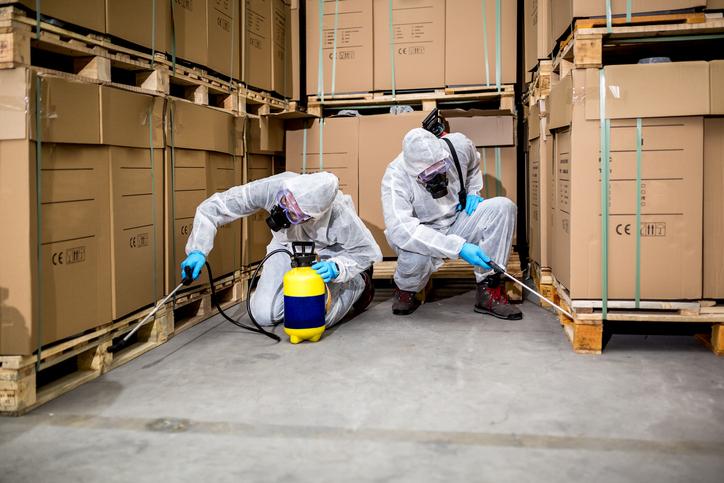
It is 3 AM, the house is dark, and you hear scratching in the walls again. Your brain jumps from mice to termites to bed bugs while you stare at the ceiling and hope the noise stops. By morning, you are pricing sprays and traps, wondering if you can handle it yourself. Here is the problem: insect pests already cause 30–40% of yearly crop losses worldwide, which shows how destructive they really are. The same pattern happens in homes when problems are left to chance. Professional help is not just about killing bugs; it is about protecting your biggest asset and your health.
Why Modern Professional Pest Control Beats DIY in 2025
If you are torn between a $15 spray and calling a pest control company, it helps to know how much the industry has changed. Professional pest control services now run more like tech companies than old-school exterminators.
Many firms use integrated pest management, or IPM 2.0, which combines science, monitoring, and very targeted treatments instead of blanket spraying. Some are adding AI tools that look at weather data, local pest pressure, and property conditions to find trouble early. That shift is why more homeowners are moving away from DIY products and toward recurring professional pest control services.
The IPM 2.0 advantage
IPM 2.0 sounds fancy, but the idea is simple. Pros inspect, identify the pest correctly, track activity, and then pick the least risky, most effective method to wipe it out. That might include sealing gaps, setting smart traps, using baits, or applying non-repellent products that pests cannot detect.
Homeowners just cannot match that mix with store products alone. You do not have access to restricted-use formulas, species-level identification, or the kind of monitoring tools that are now standard in good companies. This is the foundation for everything else in this article.
1. Slash Long-Term Costs with Predictive Prevention
Many people delay calling a pro because “it is not that bad yet.” That is usually when the clock starts on expensive damage. Pests build up slowly, then costs shoot up fast.
One research project on spotted lanternfly predicted that, without control, losses in New York’s grape industry could climb to 8.8 million dollars within three years. The same kind of curve can hit your home: quiet at first, then brutal.
How predictive pest control works
Some national brands and better local firms now run AI-style models that mix weather, local complaints, and building data to forecast when certain pests will spike. That heads off termites, rodents, and ants before they hit full force.
Instead of waiting for a swarm in your kitchen, they know that a warm, wet spring plus your crawlspace moisture almost guarantees ant problems and treat ahead of that. It is the opposite of the “panic call after damage” pattern that eats money.
Action steps to maximize ROI
To get the best return, ask for a digital inspection, including photos and a clear baseline of current activity. From there, a solid plan usually means quarterly visits, with extra checks during peak seasons.
Sarah in Austin is a simple example. She paid 2,400 dollars for an emergency termite job after ignoring early signs. Once she switched to a preventive contract at about 720 dollars a year, the company picked up two new colonies early and saved her roughly 8,000 dollars in repairs. Professional pest control vs DIY is not even close when you look three to five years out.
2. Leverage Advanced Detection Tech You Don’t Have at Home
Most DIY checks are a flashlight, a mirror, and maybe a few glue traps. Pros bring technology that started in research labs and, in some cases, the military.
The reason that matters is simple. The hardest part of pest work is often finding the nest, the entry point, or hidden damage before it shows on the surface. Better detection means smaller, cleaner treatments and fewer surprises.
Military-grade and declassified tools in pest control
High-end companies now use tools like ground-penetrating radar to spot termite tunnels, acoustic sensors that “hear” insects chewing inside wood, and thermal cameras to see warm rodent nests behind drywall. Some even use small drones to scan roofs and gutters where rodents and wasps get in.
In a recent IPM project, technicians sampled soil from 50 farms and grew out weed seeds in the lab to map hidden seedbanks, then sent each farmer a custom report. Your home inspection will not be that intense, but the mindset is similar: look beneath the surface so you are not just treating what you can see.
What to ask providers about their equipment
When you interview companies, ask directly what they use beyond sprays and snap traps. Mention thermal imaging, moisture meters, and rodent monitoring devices, and listen to how specific their answers are.
You want someone who can show you pictures, explain readings in plain English, and then tie that data to a clear plan. Providers who invest in strong detection tech almost always deliver cleaner results and need fewer chemical applications over time.
3. Access Professional-Grade Treatments That Are Safer and More Effective
There is a stubborn myth that store products are “gentler,” and professional products are “stronger but riskier.” The truth is more nuanced. Many of the best tools pros use are both more powerful on pests and safer for your family when handled correctly.
Restricted-use pesticides are tested heavily and require training. States are even tightening rules. A recent course on neonicotinoid insecticides pulled in 110 licensed applicators within three weeks of launch because it is now required education in several states. That kind of training is not happening in the DIY aisle.
Inside the professional arsenal
Your technician might mention non-repellent products like Phantom or Alpine WSG that pests walk through without noticing, then carry back to the nest. In termite jobs, foams such as Premise reach deep into wall voids that you just cannot access yourself. Insect growth regulators stop roaches or fleas from reaching adulthood instead of just knocking down the adults you see.
A good company will list products on your invoice, explain why each was chosen, and give clear re-entry times. That combination of strong yet targeted tools is one of the biggest benefits of professional pest control.
How pros use IPM, not just chemicals
The other half of this picture is how those tools are used. Modern professionals start with inspection, sanitation suggestions, and sealing work. Chemicals, baits, and dusts are added where they make the most sense.
That means success can take a bit longer than a heavy spray, especially with ants and bed bugs, but the results last and require less re-treatment. Knowing that keeps expectations realistic and helps you tell the difference between a careful pro and someone who just rushes through.
4. Protect Property Value and Documentation for Resale
Pest issues can wreck a home sale faster than almost anything. Termite damage, rodent droppings in the attic, or a history of bed bugs make buyers nervous.
On the flip side, a well-documented pest history is an asset. You will want digital service records, inspection notes, treatment maps, and any warranties in one place. Many termite warranties are transferable, which can calm buyers and appraisers during closing.
Keep a simple folder with inspection reports, proof of annual termite checks, and invoices that show long-term care. When it is time to sell, that paper trail makes it much easier to handle home inspectors and negotiate with confidence.
5. Health, Safety, and 24/7 Protection You Can’t DIY
Pests are not just annoying. They carry bacteria, trigger allergies, and can hit indoor air quality in ways you may not feel until asthma or sinus problems flare up.
Professional pest control services think about health and safety as a core part of the job. Many companies offer 24/7 lines, same-day visits for high-risk issues, and guarantees that keep you from paying twice for the same problem.
Emergency response and guarantees
Ask upfront how fast they come out for wasps, rodents in living spaces, or suspected bed bugs. Same-day or next-day is reasonable for emergencies. Good firms also spell out what happens if the pests return during the service window.
Most stand behind their work with free re-treatments and a clear list of what is covered. That kind of backup simply does not exist with store products.
Hidden health risks pests bring into your home
Cockroaches are linked with asthma in kids, rodents can spread salmonella, and mosquitoes can spread diseases outdoors. Insects already account for huge crop losses globally, and the same biology that destroys food can affect people in smaller ways indoors.
Pros know where each pest hides, what it tracks through your home, and how to deal with it without over-spraying. If anyone in your household has asthma, allergies, or a weak immune system, this health angle alone can justify a plan.
6. Staying Ahead of Climate-Driven Pest Threats
Warmer winters and longer summers are changing which pests show up where. Regions that rarely saw ticks, fire ants, or certain invasive insects are now seeing them regularly.
One long-term New York study found that pesticide applications climbed from 1997 to 2022, then warned that mass spraying can harm helpful soil organisms and bees. Pros are responding with more careful, targeted methods instead of “spray everything” habits.
That same kind of thinking helps with climate-driven pests. Good companies watch university bulletins, government alerts, and local trends so they can adjust what they look for on your property year to year.
Comparison of DIY vs Professional Pest Control
|
Factor |
DIY approach |
Professional pest control services |
|
Upfront cost |
Low per purchase, repeats often |
Higher per visit, fewer visits over time |
|
Detection quality |
Visual only, limited access |
Advanced tools, hidden areas checked |
|
Product strength |
Consumer-grade, broad spectrum |
Targeted, some restricted-use, often non-repellent |
|
Safety and compliance |
Label directions only |
Ongoing training, licensing, and updated regulations |
|
Long-term effectiveness |
Short-term relief, frequent re-treats |
Root-cause focus, warranties, documented history |
|
Impact on the ecosystem |
Higher risk of over-spraying |
IPM 2.0, reduced harm to beneficial organisms |
This kind of side-by-side view makes it easier to see why the cost of professional pest control is usually lower over several years, even if the first visit costs more.
Final Thoughts on Professional Pest Control as an Investment
Professional pest control is not just another bill. It is a way to trade small, predictable costs for protection from large, ugly surprises. When you add up early detection, stronger yet safer products, health protection, and better resale value, the numbers lean hard toward calling in a pro. The next time you hear scratching at 3 AM, decide whether you want another sleepless night or a long-term plan that lets you roll over and go back to sleep.
FAQs on Professional Pest Control
- Is pest control a good investment if I only see a few bugs now and then?
Yes. Occasional sightings often mean a small share of a larger population. Getting a preventive plan while activity is light is cheaper than waiting for a full infestation that needs major work and repairs.
- How much should I expect to spend each year on professional help?
Most homeowners fall somewhere between 400 and 800 per year for general coverage. That is minor compared with structural repairs, which can easily reach five figures if termites or rodents go unchecked for years.
- Will treatments be safe for my kids and pets?
Licensed companies must follow strict label rules and state training. Many techs now take added courses on specific products and safer options, instead of broad spraying. Ask what they use and how long to keep kids and pets out of treated rooms.