Security | Threat Detection | Cyberattacks | DevSecOps | Compliance

SIEM Requirements for MSPs: What You Need to Get Right

SIEM is a streamlined tool used by managed service providers (MSPs) to monitor activity across their clients’ systems in real time. The tool brings security data into one place. This makes it easier to spot suspicious activity early and respond quickly if something goes wrong. SIEM provides MSPs with a single, clear view of their environment to improve day-to-day monitoring. It also takes less time to investigate security incidents.


Deepfake Cyber Fraud Attacks: Risks, Examples, and Prevention

Artificial Intelligence (AI) has been a revelation. It has changed the way things are done. AI is being used in almost every industry because it speeds up the ability to perform tasks and reduces the chance of errors. But there is a dark side to this highly advanced technology. Scammers are using AI to create sophisticated attacks and are achieving success with them. Deepfake cyber fraud attacks are one such type where malicious actors use deep learning techniques and AI to manipulate existing media.

How the Social Engineering Toolkit Helps Red Teams

The Social Engineering Toolkit, or SET, is a tool that security teams use to copy the tricks that attackers use. It helps them see how well a company reacts when a message or link does not look legitimate. It can also test how people respond when they land on a copied website. Most guides cover only basic SET features. This blog explains how experts use SET in real tests and how defenders notice SET activity before harm occurs.

Ransomware Remediation Tactics That Help You Recover Fast

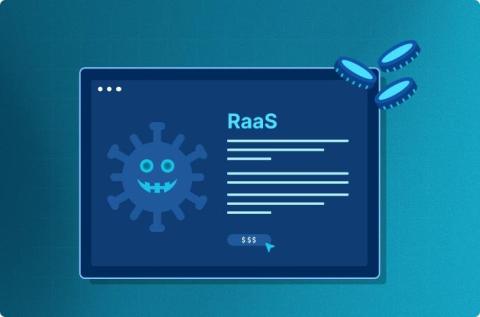
Ransomware attacks have grown stronger in the last few years. Attackers are now stealing data before locking it. They also pressure victims by posting stolen files on the internet. There are groups that sell ransomware kits, making these attacks easy to run. This has made things worse for businesses all around the world. Teams are looking for ransomware remediation tactics that help them recover fast and reduce the chance of the attacker returning.

How to Avoid Phishing Attacks: A Complete Guide for Users and IT Teams

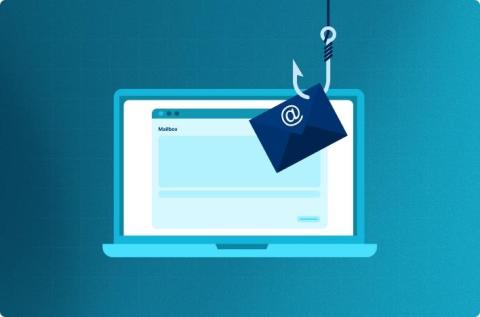
Phishing remains one of the most common cyber threats, affecting users across industries and regions. It targets human behavior rather than technology, which makes it more effective than many other attack methods. Now, attackers are using advanced tools, like AI, to make phishing more effective. To know how to avoid phishing attacks, you must understand how they work and the different forms they take.

What Is API Token Hijacking? Steps to Detect and Stop the Attack

An API token is like a small digital key that tells a system that a user or an app is allowed to act in the system. When this key gets stolen, attackers act as real users and misuse the account. It’s called API token hijacking, and this issue has grown in the last few years. Most companies are not able to detect this problem in time. It’s important for IT/security teams to understand token theft to respond quickly and build stronger protection for future attacks.

MSSP Quality Measures 2025: What Businesses Should Expect

The role of an MSSP has evolved beyond just providing alert monitoring services. Many businesses today are looking for MSSPs who can respond to cyber incidents quickly and provide excellent support. Business owners understand how quickly cybercriminals can break into their systems. Because of this, they want more than an MSSP that only provides monitoring. They want to ensure that their MSSP's quality of service meets expectations.

CMMC Compliance Checklist: A Simple Guide for DoD Contractors

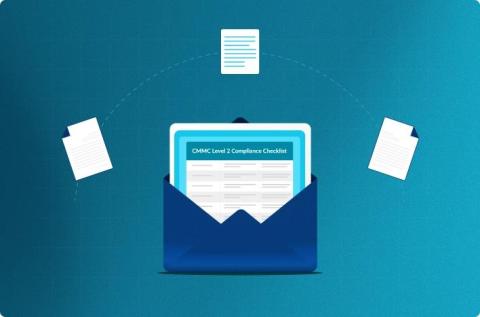
CMMC 2.0 is now a primary requirement for any business looking to work with the U.S. Department of Defense. This standard outlines the guidelines that companies need to follow to protect government data and the steps they must take to remain eligible for DoD contracts. Some companies can understand and follow these guidelines, while others find them confusing due to the involvement of controls, documentation, audits, and security practices.