


Security | Threat Detection | Cyberattacks | DevSecOps | Compliance

How a Vishing Attack Really Works - And Where Your Brand Gets Exposed

Voice-based fraud now accounts for billions in annual losses, and the FBI has flagged AI-assisted voice fraud as one of the fastest-growing financial crime vectors in the country. Your email security didn’t catch it. Your DMARC configuration didn’t fire. Neither did your anti-phishing stack. That’s not a gap in your tools. It’s a gap in your threat model. How does vishing work?

iGaming Fraud Detection: How to Identify Risk Before Player Accounts Are Compromised

iGaming fraud detection already spans much of the player journey, from registration and identity verification to login, payments and account activity. But for phishing-driven account takeover (ATO), an important part of the risk can develop before suspicious activity appears inside the operator environment. That distinction matters as operators try to improve fraud detection without adding unnecessary friction.

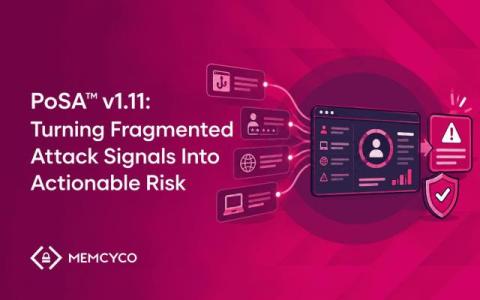
PoSA v1.11: Turning Fragmented Attack Signals Into Actionable Risk

With PoSA v1.11, we focused on a practical problem: detecting more attack activity does not necessarily help fraud and security teams make better decisions. PoSA already identifies activity across digital impersonation, credential theft, attacker devices and account access. The challenge is making the connections between that activity easier to understand, identifying which users and devices require attention, and making that intelligence available to the systems and teams responsible for responding.