Security | Threat Detection | Cyberattacks | DevSecOps | Compliance

Why Are APIs Easier to Attack Than Apps?#apiattacks #apisecurity #pentest #nist

Discover why over 70% of application attacks now target APIs instead of web apps. Learn from Wallarm and Oracle experts how automation, low entry barriers, and the rapid growth of APIs have changed the security landscape—and what you need to know to protect your organization.

ToolShell: Remote Code Execution in Microsoft SharePoint (CVE-2025-53770)

On July 19, 2025, a critical remote code execution (RCE) vulnerability (CVE-2025-53770, also referred to as ToolShell) was publicly disclosed, impacting on-premises Microsoft SharePoint Server installations. This vulnerability allows unauthenticated attackers to execute arbitrary code remotely by leveraging insecure deserialization techniques.

Mastering API Security Testing: Stop BOLA and the OWASP Top 10 Before Deployment

APIs drive modern applications, but their increasing complexity leaves them vulnerable to attacks. How can you ensure robust API security? Join Wallarm’s webinar to discover how to tackle today’s toughest API security challenges with advanced API security testing strategies. In this webinar we will cover: Learn how Wallarm’s innovative solutions can help you identify vulnerabilities, implement reliable security measures, and streamline your API testing process. Gain actionable insights into tools, best practices, and strategies to protect your APIs effectively.

Fail-Open Architecture for Secure Inline Protection on Azure

Every inline deployment introduces a tradeoff: enhanced inspection versus increased risk of downtime. Inline protection is important, especially for APIs, which are now the most targeted attack surface, but so is consistent uptime and performance. This is where a fail-open architecture comes in.

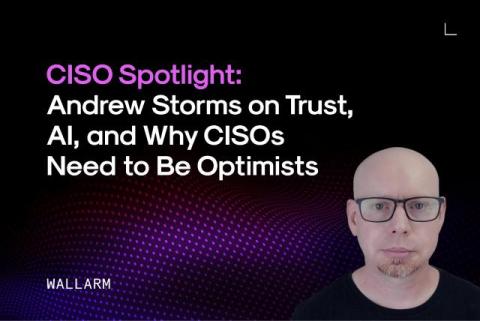
CISO Spotlight: Andrew Storms on Trust, AI, and Why CISOs Need to Be Optimists

Andrew Storms, VP of Security at Replicated, has spent three decades on the frontlines of cybersecurity. From building Unix systems in the early ‘90s to leading incident response and AI security strategies today, he has seen the CISO role evolve from back-office function to boardroom mainstay. In this spotlight, he shares the lessons that shaped his thinking, why storytelling is a critical CISO skill, and how API security is no longer optional.

Debunking API Security Myths

I recently sat down with Tejpal Garwhal, Application Security and DevSecOps Leader, for a conversation debunking some of the most common API security myths. From zombie endpoints to the limits of WAFS and gateways, we covered what’s really happening on the ground; and what security teams need to do differently. Here’s a quick rundown of the key takeaways, but for the full picture, watch the full webinar.

Understanding the NCSC's New API Security Guidance

Legislative, regulatory, and advisory bodies the world over are waking up to the importance of API security. Most recently, the UK’s National Cyber Security Centre (NCSC) has published detailed guidance on best practices for building and maintaining secure APIs. In this blog, we’ll break down that guidance and explore how Wallarm’s platform can help you align with each one.

Inside the AI Threat Landscape: From Jailbreaks to Prompt Injections and Agentic AI Risks

AI has officially moved out of the novelty phase. What began with people messing around with LLM-powered GenAI tools for content creation has rapidly evolved into a complex web of agentic AI systems that form a critical part of the modern corporate landscape. However, this transformation has given new life to old threats, transforming the API security landscape all over again.

What CISA's BOD 25-01 Means for API Security and How Wallarm Can Help

The US government has taken another significant step towards strengthening cloud security with the release of CISA’s Binding Operational Directive (BOD) 25-01. Aimed at improving the security posture of federal cloud environments, BOD 25-01 mandates robust configuration, visibility, and control across cloud-based services. While the directive doesn’t explicitly name API security, securing modern cloud systems relies on securing APIs - including the ones security teams don’t know about.