Security | Threat Detection | Cyberattacks | DevSecOps | Compliance

A Complete Guide to IT Risk Assessment

Most IT audit risk assessments fail because they treat risk as something to mitigate, not leverage. This leads to bloated reports, rigid frameworks, and security initiatives that slow innovation instead of driving it. Risk isn’t just a security concern—it’s a business decision. The best CTOs approach risk like an investment portfolio, with some risks to be minimized, but others that can be accepted or embraced for competitive advantage.


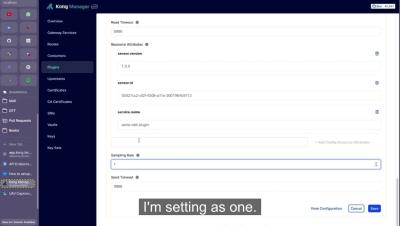
Kong Gateway Integration: Secure API Traffic with Astra

Kong API Gateway is widely used to manage API traffic efficiently, but ensuring its security requires a proactive approach. By integrating Astra’s API Security Platform with Kong, you can gain real-time insights into API activity, detect vulnerabilities, and block potential threats before they impact your systems.

API Security Risks and How to Mitigate Them

The industry treats API security like a checklist—patch a few issues, enforce some rules, and move on. But these risks aren’t isolated flaws; they’re symptoms of a deeper failure in how APIs are designed and secured. Built for speed and interoperability, APIs often expose more than intended, making security an afterthought.

Top 7 AI Pentesting Tools

AI is reshaping industries, but security teams treat it like traditional software. Unfortunately, the real problem is AI models don’t just have bugs—they have systemic vulnerabilities. Adversarial manipulation, data poisoning, and model inversion aren’t edge cases; they’re real threats attackers are already exploiting. Yet, most security programs lack a structured approach to testing AI risks. Conventional pentesting isn’t enough.

Automated Risk Assessment Tools

As a CISO or security lead in a SaaS organization, the unthinkable could happen to you at any time. On a Friday evening, as you’re wrapping up work, you get a notification alerting you of a potential vulnerability in a customer-facing application. You have no idea what data has been leaked or how long this has been left exposed.

Top 10 API Security Best Practices

Every day, organizations expose their APIs, unknowingly allowing cybercriminals to try and exploit them. A single vulnerability can lead to massive data breaches or help gain unauthorized access. Worst Part? Most organizations realize the weakness when it’s already too late. Without strong security measures, your API is a prime target for attackers trying to exploit unpatched vulnerabilities or misconfigurations in the environments.

CVE-2024-53568:Stored Cross-Site Scripting (XSS) Vulnerability in Volmarg Personal Management System

Product Name: Volmarg Personal Management System Vulnerability: Stored Cross-Site Scripting (XSS) Vulnerable Version: v1.4.65 CVE: CVE-2024-53568 The researchers from Astra’s security team, on March 06, 2025, discovered a stored cross-site scripting (XSS) vulnerability in Volmarg Personal Management System v1.4.65. The issue was identified in the “Tags” field on the “Image Upload” page, where improper user input validation allowed attackers to execute arbitrary scripts.

Content Spoofing Vulnerability in RosarioSIS Student Information System

Product Name: RosarioSIS Student Information System Vulnerability: Content Spoofing Vulnerable Version: v12.0.0 CVE: To Be Assigned The researchers from Astra’s security team, on March 4, 2025, discovered a content spoofing vulnerability in the Demo Web Application. This issue was identified in the “Theme” configuration under “My Preferences,” where improper user input validation allowed attackers to manipulate application settings.

API Security Pricing: Complete Guide

Picture a company like a global logistics platform. On a regular Tuesday morning, shipments are crossing continents when the tracking updates suddenly stop. Then, delivery routes are rerouted by themselves, and thousands of customers are left with no information. A single exposed API endpoint or an authentication check that was left incomplete had drastic consequences for this company.

Vulnerability Scanning and How It Works in Cyber Security?

Vulnerability scanning refers to the process of evaluating applications, APIs they consume, systems, networks, and cloud environments to identify and pinpoint vulnerabilities within your organization’s digital infrastructure. It involves using automated tools trained to scan for known CVEs, misconfigurations, and potential attack vectors. Vulnerability scanning today is more than just ticking checkboxes.

Security Risk Assessment: A Comprehensive Guide

Security isn’t a wall to fortify; it’s a living system that adapts, learns, and reacts. The weakest link isn’t just outdated software, misconfigured access, or even human behaviour and inefficient processes but the blind spots created at their convergence, driven by fragmented decision-making, unchecked complexity, and the illusion of control.

A Complete Guide to Cloud Risk Assessment

As organizations worldwide race to transform themselves digitally in a cloud-first world, many are doing so to the detriment of their businesses by failing to assess the security risks posed by their cloud applications and services. This oversight is not only a security issue but a core business risk that differentiates market leaders from those who are sure to face expensive setbacks and regulatory headaches.