Security | Threat Detection | Cyberattacks | DevSecOps | Compliance

PCI DSS 4.0 Readiness Roadmap: A Step-by-Step Path Before Audit

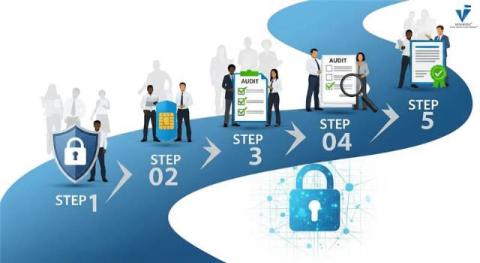
Getting PCI DSS compliant is like preparing for a big exam. You cannot just walk into it blind, you first need to prepare, check your weak areas, next fix them, and then only face the audit. If you are here today for the roadmap, I assume you are preparing for an audit now or sometime in the future, and I hope this roadmap helps you as your preparation guide. So, let’s get started!

PCI SSF Compliance Explained: Infographic for Payment Software Vendors

In today’s rapidly evolving digital payment landscape, software security is no longer just a best practice—it’s a necessity. The PCI Software Security Framework (PCI SSF) sets the global benchmark for safeguarding payment applications and ensuring they are developed with security at the core. Whether you’re creating payment gateways, POS applications, or mobile payment apps, compliance with PCI SSF demonstrates that your software meets stringent security requirements.

Why Saudi Arabian Banks Demand Tighter Payment Security?

If you’ve been running a business in Saudi Arabia that accepts card payments, you’ve probably noticed banks getting more strict about payment security. It’s not just a random policy change, there’s a bigger story here, and understanding it could save your business from serious trouble.

Intergrating Secure Lifecycle into DevOps for PCI DSS Compliance

SLC refers to the entire process of developing and maintaining software, encompassing various stages like planning, design, development, testing, deployment, and maintenance. The average cost of a data breach in the financial sector is approximately $5.85 million. Incorporating security into DevOps can significantly reduce these costs by preventing breaches early. Around 73% of organizations have adopted DevSecOps practices to embed security into their DevOps pipelines.

10 Ways Cybersecurity Teams Can Stay Ahead of Emerging Threats

Cybersecurity threats are always changing. Hackers are constantly finding new ways to break into systems. As technology grows, so do the risks. A single weak spot can lead to serious damage. To stay safe, security teams must stay ahead, not just keep up. The following strategies offer practical ways to build a strong cybersecurity strategy and prepare for what lies ahead.