Security | Threat Detection | Cyberattacks | DevSecOps | Compliance

Rise of cloud agnosticism: challenges and myths

In the evolving landscape of technology, cloud agnosticism has seen increasing traction. This refers to the ability to design and deploy applications seamlessly on any cloud platform, whether that be AWS, GCP, Azure, or others. Cloud agnosticism is essentially a design principle that advocates for flexibility, portability, and interoperability, allowing organizations to use multiple cloud providers without being tied to the services or infrastructure of any single one.
GitOps - Enhancing security and ensuring compliance in Kubernetes deployments

GitOps can be a powerful means of achieving continuous compliance in Kubernetes deployments. It provides transparency for any changes made to your infrastructure, along with the ability to trace and audit these changes. In this article, we will discuss how GitOps can enhance security and ensure compliance in Kubernetes deployments. We will also discuss potential security threats that GitOps could introduce into a Kubernetes infrastructure.

Top four Kubernetes Attack Chains and how to break them

While Kubernetes adoption continues to soar, it has become a prime target for cyberattacks. Unfortunately, Kubernetes clusters are complex and can be difficult to secure. Safeguarding your Kubernetes environment requires a solid understanding of the common attack chains that pose a threat to your infrastructure. In this blog post, we dig into the top attack chains that target Kubernetes, shedding light on the risks and offering valuable insights to bolster your defenses.

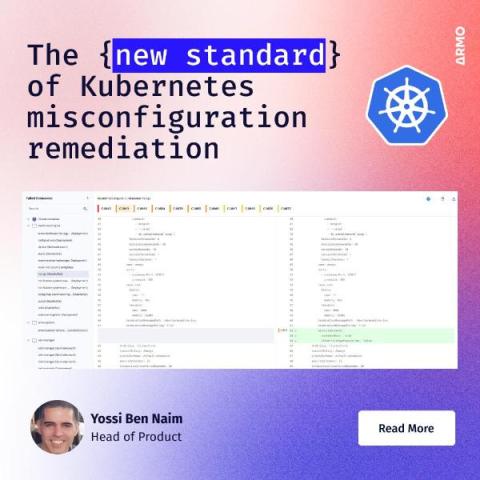
The new standard of Kubernetes misconfiguration remediation

According to research done by ARMO, 100% of Kubernetes clusters that were tested contained at least one misconfiguration, while 65% had at least one high-severity misconfiguration. 50% of clusters had 14 or more failed security controls. According to Redhat research from 2023, 45% of respondents experienced security incidents or issues related to containers and/or Kubernetes due to misconfigurations.